

Can I use Vitamin C and retinol together in my routine?
- by scadminpg
- in How to Skincare Ingredients
- posted August 11, 2025
Can I use Vitamin C and retinol together in my routine?
Skincare can feel complicated, but you can combine vitamin C and retinol in your skincare routine for targeted anti-aging benefits if you layer them thoughtfully and adjust concentrations to your skin’s tolerance; typically apply vitamin C in the morning for antioxidant protection and retinol at night to boost collagen, while using sunscreen daily and introducing products gradually to minimize irritation.
Timing is Everything: The Morning and Night Routine
Place vitamin C in your morning lineup and retinol in your evening ritual to maximize benefits and limit irritation: L-ascorbic acid (10–20%) neutralizes daytime free radicals and can increase sunscreen effectiveness, while retinol (OTC 0.25–1%, prescription stronger) accelerates cell turnover overnight, improving fine lines and texture over 8–12 weeks. Layer vitamin C after cleansing and before moisturizer/SPF; reserve retinol for a dry, clean face at night and build frequency slowly to avoid excess dryness or redness.
The Benefits of Vitamin C in the Morning
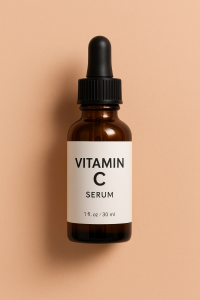
You get antioxidant protection against UV-induced oxidative stress by using vitamin C in the AM; studies show topical L-ascorbic acid at 10–20% improves skin brightness and reduces photodamage within 8–12 weeks. Apply after cleansing and toning, before moisturizer and SPF, to boost photoprotection and collagen synthesis while combating environmental pollution throughout your day.
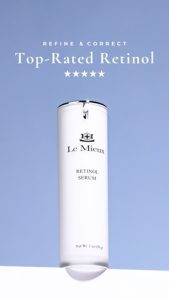
Award winning retinol serum for great results
The Essentials of Retinol at Night
Use retinol at night because it converts to retinoic acid in the skin and increases cell turnover during sleep, visibly reducing fine lines and improving texture after roughly 12 weeks of consistent use. Start with a low concentration (around 0.25–0.3%) one to two nights weekly, then increase frequency as your skin tolerates it to avoid peeling and irritation.
Buffering retinol by applying a pea-sized amount over a dry face and following with a moisturizer can reduce irritation; alternatively, mix retinol with your night cream or apply every third night if you experience redness. Avoid layering strong exfoliants (AHA/BHA) the same night, and always pair your retinol program with daily SPF to protect newly resurfaced skin and preserve anti-aging results.
Compatibility or Chaos? The Science Behind Ingredient Interactions
How Vitamin C and Retinol Affect the Skin Differently
You see vitamin C (L‑ascorbic acid) acting as a powerful antioxidant at acidic pH (~3–3.5), brightening skin, fading hyperpigmentation and bolstering photoprotection, while retinol (OTC concentrations typically 0.025–1%) drives cell turnover, stimulates collagen production and smooths fine lines by converting to retinoic acid in the skin. Those complementary anti‑aging actions make them potent partners, yet their biochemical needs and timelines for results differ markedly. If you wonder when a person should start using retinol, read our article here.
The Role of pH and Skin Sensitivity
Your skin’s acid mantle sits around pH 4.5–5.5, whereas effective L‑ascorbic acid formulations favor pH below ~3.5 and retinol is more stable closer to neutral; applying both simultaneously can reduce vitamin C stability and increase irritation risk. Expect potential redness, dryness or peeling for 2–8 weeks if you escalate concentrations too quickly, especially with sensitive skin or conditions like rosacea, so plan order and timing thoughtfully.
Practical strategies cut the conflict: use vitamin C in the morning for antioxidant/photoprotection and retinol at night, or choose stable vitamin C derivatives (sodium ascorbyl phosphate or ascorbyl glucoside at 5–10%) that tolerate higher pH. Start retinol low (0.025% two nights a week), raise frequency over 6–12 weeks, keep vitamin C around 10–20% based on tolerance, and patch‑test each step to monitor reactions and results.
Crafting the Perfect Skincare Regimen
Design your routine around timing, concentration and skin tolerance: use vitamin C (10–20% L‑ascorbic acid) in the morning to boost antioxidant protection and pair with SPF 30+; reserve retinol (start 0.25–0.5%, progress toward 1% if tolerated) for evening anti‑aging work. Begin retinol 2 nights/week and add one night each week as your skin adapts, and always include a ceramide‑rich moisturizer to support the barrier when using these active ingredients in your skincare routine anti-aging plan.
Layering Techniques for Maximum Efficacy
Apply products from thinnest to thickest: cleanse, vitamin C serum, hydrating serum (hyaluronic acid), moisturizer, then sunscreen in the AM. At night, cleanse, wait ~20 minutes for skin to dry, then apply retinol to reduce irritation, followed by moisturizer. If you ever use both in one 24‑hour period, keep vitamin C to morning and retinol to night and avoid combining strong AHAs/BHAs with retinol the same night.
Recommended Products to Pair with These Ingredients
Select a stable vitamin C (L‑ascorbic acid) at 10–20%—examples include Le Mieux Vitamin C Serum or Image Vitamin C Serum paired with a retinol you can tolerate: Le Mieux Retinol Serum, or prescription tretinoin (0.025–0.05%) for faster results. Complement with Le Mieux hyaluronic acid serums, ceramide moisturizers like Le Mieux 24 Hr. Age Defying Cream, and a broad‑spectrum SPF 30+ for effective anti‑aging outcomes.
For sensitive or reactive skin, you can use the buffer method: apply a moisturizer first, then a low‑strength retinol 2 nights/week, increasing frequency by one night each week until you reach every other night or nightly use. Budget, mid‑range, and clinical tiers work—aim for measurable concentrations (vitamin C 10–20%, retinol 0.25–1%) and avoid pairing vitamin C with benzoyl peroxide or aggressive acids on the same day to maintain efficacy and minimize irritation.
Navigating Potential Risks: What to Watch Out For
Using retinol and vitamin C together can increase irritation and photosensitivity; expect dryness, redness, peeling, or stinging, especially if you introduce both at once. L-ascorbic acid works best at pH below ~3.5, while retinol prefers a neutral pH, so immediate layering may reduce potency for one or both. Start with lower strengths (for example, 10% vitamin C and 0.25–0.3% retinol), space applications (vitamin C in the AM, retinol in the PM) or alternate nights to lower risk.
Common Skin Reactions and How to Manage Them
You might see flaking, itching, burning, or increased sun sensitivity within 1–6 weeks of adding retinol and vitamin C. Manage symptoms by cutting back frequency (every third night), using a gentle cleanser and a barrier-repair moisturizer with ceramides or hyaluronic acid, and buffering retinol by applying moisturizer before or after. If irritation persists beyond 2–4 weeks or you develop swelling or blistering, stop use and consult a dermatologist. Always wear SPF 30+ daily when using these actives.
The Importance of Patch Testing
Patch testing helps you detect allergic or irritant responses before applying actives to your face: apply a pea-sized amount to the inner forearm or behind the ear once daily for 3 days, keep the area dry, and monitor for redness, itching, blistering, or prolonged stinging over 72 hours. A positive reaction means avoid that product or try a lower concentration under professional guidance.
Test each product separately first, then the combination: after passing individual tests for 3–4 days, apply vitamin C followed by retinol on a small area for another 3 days to mimic layering. If you have rosacea, eczema, or very reactive skin, extend testing to 5–7 days and document reactions with photos and notes on timing; immediate swelling or spreading rash requires discontinuation and medical attention.
Real-Life Success Stories: Users Share Their Experiences
You’ll read many accounts of people who layered vitamin C in the morning and retinol at night, noting brighter complexion and softer lines within 8–12 weeks. One reader in her 40s reported visibly reduced sunspots after adding 15% vitamin C AM and 0.3% retinol PM, while another saw fewer breakouts and improved texture after alternating retinol nights with hydrating serums. These real-life wins show the anti-aging synergy you can achieve with consistent use and sunscreen.
Transformative Outcomes from a Combined Routine
You can expect smoother skin, gradual fading of hyperpigmentation, and a reduction in fine lines when vitamin C and retinol are used together correctly in your skincare routine. In practice many users start with vitamin C (10–20%) each morning and a low-strength retinol (0.025–0.3%) twice weekly, building to nightly use; by 10–12 weeks improvements in tone and texture are common. Consistency and sun protection amplify these anti-aging outcomes.
Expert Insights: Dermatologist Recommendations
Your dermatologist will typically advise applying vitamin C in the AM—look for 10–20% L‑ascorbic acid or stable derivatives—and retinol at night, beginning at low concentrations to limit irritation. They often recommend starting retinol 1–2 nights per week and increasing frequency as your skin tolerates it, while always pairing the combo with broad‑spectrum SPF 30+ to protect new collagen and prevent pigmentation.
If you are wondering if professional formulations are worth the money, compared to over the counter options you can explore our article here.
Ask your clinician about formulation details: pure L‑ascorbic acid performs best at acidic pH (<3.5) while derivatives (magnesium ascorbyl phosphate) are gentler for sensitive skin. Retinol typically progresses from 0.025% up to 0.5–1% over months; using a pea‑sized amount, buffering with moisturizer, or alternating nights reduces irritation. Avoid stacking strong acids (AHA/BHA) with early retinol use, and rely on barrier-supporting ingredients like niacinamide and hyaluronic acid if redness appears.
Final Words
Taking this into account, you can incorporate retinol and vitamin C into your skincare routine for complementary anti-aging benefits if you layer them properly or alternate use, adjust concentrations, and protect your skin with sunscreen; consult with an esthetician or a dermatologist if you have sensitive skin or are starting strong actives to avoid irritation.
At Skin Care Pro Group, we routinely conduct patch tests and analyze the skin to determine if it is ready and how to incorporate vitamin c and Retinol, depending on the current health and sensitivity level of your skin. You can schedule a 60 Minute Custom Facial for a great treatment and patch tests.