

What is fungal acne and is it different?
Skin CareWhat is fungal acne and is it different?
Fungal acne is a yeast-driven condition (Malassezia) that can mimic common pimples, and you may wonder how to tell if it’s fungal acne versus typical acne; yeast acne or fungal acne often appears as small, itchy, uniform bumps. If you’re searching “fungal acne vs acne,” “acne vs fungal acne,” or “how to identify acne,” be aware treatments differ—antifungals work where benzoyl peroxide may not.
Understanding Fungal Acne
Fungal acne, or Malassezia folliculitis, happens when Malassezia yeast overgrows in your hair follicles, producing clusters of small, itchy 1–3 mm pustules most often on the chest, back, forehead, or jawline. You’ll notice uniform bump size and intense itch more than the variable lesions of bacterial acne; common acne treatments like benzoyl peroxide or oral antibiotics can worsen it, while antifungals and removing heavy oils usually help.
Definition and Causes
Malassezia is a normal skin yeast that can overgrow under warm, humid conditions, excessive sweating, or after antibiotic use; occlusive skincare—like coconut oil, certain sunscreens, and thick hair oils—feeds the yeast and triggers outbreaks. You may see fungal acne after steroid use or intense exercise, which distinguishes fungal acne vs acne caused by clogged pores.
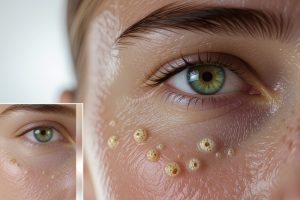
An example of fungal acne
Symptoms and Appearance
You’ll typically see dozens of similar-sized red bumps or tiny pustules (1–3 mm) that are often itchy and lack classic comedones (blackheads/whiteheads). Lesions cluster on your chest, upper back, and hairline and usually resist standard acne therapies, so searches like “how to tell if acne is fungal” focus on itch, uniformity, and poor response to benzoyl peroxide or antibiotics.
Additional clinical clues include sudden onset after heat, sweating, or antibiotic courses and recurrence in humid months; dermatologists confirm with KOH scrapings showing budding yeast and short hyphae or by rapid improvement on topical ketoconazole or oral fluconazole—many people report noticeable clearing within 7–14 days once appropriate antifungal treatment starts.
Understanding Fungal Acne
You may still be asking “what is fungal acne” when bumps persist despite acne meds. Caused by Malassezia overgrowth, fungal acne often mimics pimples but behaves differently: you get small, itchy, uniform papules that cluster on the chest, back and jawline, and typical acne products can worsen it. Knowing these patterns helps you spot Malassezia folliculitis vs acne and choose antifungal-focused care.
Definition and Causes
Malassezia folliculitis, often searched as “fungal acne” or “yeast-driven acne,” occurs when lipophilic Malassezia yeast overgrows hair follicles. You can trace triggers to heavy oils, occlusive sunscreens, humid sweaty environments, recent antibiotic or topical steroid use, and tight clothing. Unlike bacterial acne, this is fungal proliferation fed by sebum and topical oils, so antifungal therapy and avoiding triggers are central to fungal acne treatment.
Symptoms and Characteristics
Look for itchy, monomorphic 1–3 mm papules and pustules in clusters, especially on the chest, upper back, shoulders, and jawline; comedones are usually absent. Lesions often resist benzoyl peroxide and topical antibiotics but improve with ketoconazole or oral antifungals, so response to treatment helps confirm fungal acne symptoms.
Diagnosis often pairs the clinical pattern with KOH skin scraping or fungal culture when available; dermatologists may trial topical 2% ketoconazole or selenium sulfide body wash, or oral fluconazole (e.g., 150–300 mg weekly for 2–6 weeks) for stubborn cases. You’ll often see flares after systemic antibiotics or heavy sweating, and persistent itch separates it from typical bacterial acne.
How Fungal Acne Differs from Regular Acne
Causes Comparison
You’ll find that what is fungal acne centers on Malassezia yeast overgrowth inside follicles, not clogged pores and Cutibacterium acnes bacteria; antifungals often clear it while common acne treatments can worsen fungal outbreaks, especially if you use heavy oils or stay in humid, sweaty environments.
Causes at a glance
| Fungal acne (Malassezia folliculitis) | Regular acne (bacterial/comedonal) |
|---|---|
| Caused by Malassezia yeast overgrowth | Driven by C. acnes, sebum, and pore blockage |
| Triggered by oils, occlusion, heat, humidity, sweating | Linked to hormones, excess oil, comedones, genetics |
| Responds to topical/oral antifungals | Treatable with benzoyl peroxide, retinoids, antibiotics |
Appearance Comparison
You can learn how to tell if acne is fungal by spotting uniform, itchy, 1–3 mm red papules in clusters—often on chest, back, and forehead—whereas regular acne shows mixed lesions (whiteheads, blackheads, pustules) with variable size and comedones; fungal lesions usually lack obvious blackheads and feel more itchy than painful.
Appearance quick view
| Fungal acne | Regular acne |
|---|---|
| Small, uniform papules (1–3 mm), often itchy | Mixed lesion types: comedones, papules, pustules, cysts |
| Clusters on chest, back, upper arms, forehead | Common on face, jawline, chin, but can spread elsewhere |
| Few or no blackheads/whiteheads | Frequent blackheads and whiteheads |
You should note that Malassezia folliculitis often flares after intense sweating, gym sessions, or using heavy emollients; case reports show rapid improvement within 1–3 weeks on topical ketoconazole or oral fluconazole where traditional acne antibiotics or benzoyl peroxide produced little benefit or worsened symptoms.
Appearance—additional details
| Fungal signs | Diagnostic clues |
|---|---|
| Itchiness, uniform size, sudden clustered onset after humidity/sweat | Poor response to benzoyl peroxide/antibiotics; positive response to antifungals |
| Predominant on trunk and forehead | Dermoscopy or skin scraping may show Malassezia on microscopy |
Differences Between Fungal Acne and Bacterial Acne
Visual Differences
You can spot fungal acne (what is fungal acne) by the uniform, 1–3 mm itchy papules or pustules that cluster on the forehead, chest and upper back, often without blackheads. Bacterial acne (acne vulgaris) usually shows mixed lesion types—open/closed comedones, inflammatory nodules, cysts—and variable sizes. If you’re trying to figure out how to tell if acne is fungal, note intense itchiness, monomorphic bumps, and flare-ups after heavy oils or sweating.
Treatment Methods
Treatment for fungal acne centers on antifungals: topical ketoconazole or ciclopirox, selenium sulfide or zinc pyrithione washes, and oral azoles for widespread cases; this contrasts with bacterial acne therapies like benzoyl peroxide, topical retinoids, or antibiotics. Many people searching “fungal acne treatment” learn benzoyl peroxide can worsen Malassezia-driven breakouts, while antifungals typically clear lesions in 2–6 weeks when you remove triggers like occlusive oils and prolonged humidity.
For more specifics, try an antifungal shampoo as a body wash daily for 2–3 weeks on trunk breakouts, or a 2–4 week course of topical azole cream on the face; persistent, widespread cases often respond to short oral courses of fluconazole or itraconazole. If you previously used antibiotics or benzoyl peroxide for six weeks with no improvement, the pattern—uniform, itchy papules and location—supports switching toward targeted fungal acne treatment and lifestyle changes (avoid heavy oils, tight clothing, and humid occlusion).
Risk Factors for Fungal Acne
Humid climates, prolonged sweating, heavy occlusive oils (coconut oil, lanolin), recent antibiotics or topical steroids, and tight, non-breathable clothing all favor Malassezia overgrowth and fungal acne rather than typical bacterial pimples. You’ll often see uniform, itchy papules on the chest, back, and jawline after these exposures. The presence of multiple of these factors increases the likelihood that your breakout is yeast-driven.
- Hot, humid environments
- Occlusive skincare or hair oils
- Frequent sweating and tight clothing
- Recent antibiotic or steroid use
- Underlying immunosuppression or diabetes
Lifestyle Factors
Frequent gym sessions, long periods in sweaty gear, and sleeping in damp clothing create the warm, occluded conditions Malassezia thrives in; using heavy body butters or oily sunscreens that migrate to the chest and back worsens yeast acne. You may misidentify these as typical pimples if you don’t link outbreaks to activity or products. This should push you to change habits and use lighter, water-based products and launder workout clothes promptly.
- Daily intense exercise without quick showers
- Occlusive athletic wear or gear
- Applying oily hair or body products to the chest/neck
- Sharing sweaty towels or clothing
Skin Type Considerations
If you have oily, sebum-rich skin or naturally acne-prone skin, Malassezia can exploit that excess oil—so what is fungal acne for you might look like small, monomorphic bumps rather than the varied lesions of bacterial acne. People searching “fungal acne vs regular acne” and “how to tell if acne is fungal” should note distribution (chest/back/jawline) and itchiness as helpful clues that this is yeast acne.
Diagnostic hints include few comedones, uniform papules, and poor response to benzoyl peroxide; a KOH scraping or clear improvement with topical ketoconazole or selenium sulfide confirms yeast involvement. For management, switch to non-comedogenic, water-based moisturizers, avoid fatty esters and coconut oil, and try a 2% ketoconazole shampoo used as a body wash for 2–4 weeks—if lesions persist, you should see a dermatologist for prescription antifungals.
Other Risk Factors for Fungal Acne
Hormonal shifts, recent antibiotic or oral steroid use, and any state that lowers immune response can let Malassezia overgrow on hair follicles; you may notice itchy, uniform bumps rather than isolated whiteheads. Heavy, oil-based skincare and occlusive cosmetics trap sebum and sweat, feeding the yeast. Warm, humid environments and frequent sweating further raise risk. Perceiving these links helps you target antifungal treatment instead of standard acne approaches.
- Warm, humid climates and post-workout sweat (what is fungal acne)
- Heavy oils and occlusive moisturizers (coconut oil, cocoa butter, lanolin)
- Recent antibiotics or systemic steroids
- Tight, non-breathable clothing and prolonged damp garments
- Underlying diabetes or immunosuppression (pityrosporum folliculitis / Malassezia)
- Using acne products that treat bacterial acne but worsen fungal vs bacterial acne
Environmental Triggers
You’ll see fungal acne flare with prolonged heat and humidity because Malassezia thrives in moist, warm conditions; sweaty skin left unwashed after workouts or wearing damp gym clothes for hours creates an ideal environment. Hot tubs, saunas, and humid workplaces can increase recurrence, so managing post-exercise cleansing and airing out clothing reduces outbreaks.
Lifestyle Influences
Your skincare and medication history strongly shape risk: frequent use of oil-rich moisturizers, occlusive makeup, or hair products that run onto the forehead feeds yeast, while recent broad-spectrum antibiotics or systemic steroids disrupt bacterial balance and let Malassezia dominate, complicating fungal vs bacterial acne decisions.
Digging deeper, you should audit ingredient lists—avoid products listing coconut oil, cocoa butter, lanolin, or heavy esters if you suspect fungal acne, and prefer lightweight, water-based moisturizers. Change pillowcases after sweaty nights, remove gym clothes promptly, and discuss antibiotic or steroid use with your clinician to reduce recurrence and improve response to antifungal therapy.
Diagnosis of Fungal Acne
Lesions that are small, uniform 1–3 mm itchy papules clustered on the forehead, hairline, chest or back and that don’t improve with benzoyl peroxide or oral antibiotics raise suspicion for Malassezia folliculitis—commonly searched as “what is fungal acne” or “fungal acne vs acne.” You’ll often notice worsening after heavy oils, hot humid exercise, or recent antibiotic/steroid use; these patterns help you distinguish fungal acne symptoms from typical bacterial acne and guide targeted antifungal treatment.
Clinical Examination
Inspect distribution and morphology: monomorphic, itchy papules and pustules centered on hair follicles, often symmetric on the upper trunk or chin. Palpate for tenderness and check for surrounding inflammation; ask about oily products, sweaty activities, recent antibiotics or steroid use. A clinical pattern of persistent, itchy, uniform bumps that flares with occlusion or humidity is a strong clue for Malassezia folliculitis and answers many searches on “how to tell if acne is fungal.”
Laboratory Tests
Skin scrapings examined with 10–20% KOH can reveal short hyphae and round spores (the “spaghetti-and-meatballs” appearance) confirming Malassezia; cultures need lipid-enriched media and are less sensitive. PCR or PAS-stained biopsy increases diagnostic yield for ambiguous cases. You’ll order labs when clinical signs are unclear or when lesions persist despite standard acne or topical antifungal therapy.
KOH prep is quick and inexpensive—scrape pustules or follicles, add KOH, and examine under light microscopy for hyphae and spores; sensitivity varies, so a negative KOH doesn’t fully exclude Malassezia. Culture may take 1–2 weeks and often fails without special media. PCR and histology (PAS) are more sensitive and useful if you plan systemic antifungals or if empirical topical treatment fails after about 4–6 weeks.
Diagnosis of Fungal Acne
Clinical diagnosis relies on your history and lesion pattern: monomorphic, itchy papules clustered on the chest, back or forehead and poor response to benzoyl peroxide point toward Malassezia folliculitis. If you’ve searched “what is fungal acne” or “fungal acne vs acne,” know clinicians confirm with KOH skin scrapings, fungal culture or biopsy when needed, since targeted antifungal therapy typically clears lesions within 2–6 weeks.
Self-Diagnosis vs. Professional Diagnosis
You can screen at home by noting uniform, itchy bumps in sweaty areas that don’t improve with salicylic acid or benzoyl peroxide—queries like “how to tell if acne is fungal” often reflect those signs. Dermatologists perform KOH preps, fungal cultures, Wood’s lamp exams or biopsies for confirmation and can prescribe topical ketoconazole or oral azoles when topical measures fail, avoiding months of ineffective antibiotics or retinoids.
Importance of Accurate Identification
Mislabeling Malassezia folliculitis as bacterial acne leads you to use antibiotics, benzoyl peroxide or retinoids that can worsen symptoms and prolong outbreaks; antifungal treatment instead usually clears lesions within 2–6 weeks. Proper identification also lets you remove triggers—occlusive oils, heavy sunscreens or sweaty gear—and prevents repeated cycles of ineffective treatment that may last months and raise scarring risk.
KOH scrapings show yeast under the microscope within minutes, while cultures take 1–2 weeks and biopsy is definitive when unclear. Malassezia feeds on lipids—coconut oil and oleic-rich moisturizers commonly trigger flares—so switch to oil-free, non-comedogenic products. Typical treatment runs 2–6 weeks: topical ketoconazole or selenium sulfide applied 2–3 times weekly, or short oral azole therapy for widespread cases; follow-up at about 4 weeks confirms response and helps prevent recurrence.
Treatment Options
Topical and oral antifungals form the core of fungal acne treatment: targeting Malassezia typically clears itchy, clustered bumps within 2–4 weeks. You’ll combine antifungal cleansers or creams with lifestyle changes—cut heavy oils, occlusive sunscreens and limit prolonged sweating—to prevent recurrence. Since benzoyl peroxide and antibiotics can worsen yeast-driven breakouts, you should distinguish fungal acne vs acne vulgaris and choose therapy aimed at Malassezia for effective fungal acne treatment.
Over-the-Counter Remedies
Ketoconazole 2% shampoo or selenium sulfide 2.5% used as a face/body wash (leave on 2–5 minutes) 2–3 times weekly often reduces Malassezia; topical miconazole or clotrimazole applied twice daily can help localized patches. You should drop oil-based moisturizers and use lightweight, non-comedogenic products. If you’re asking how to tell if acne is fungal, look for uniform, itchy papules in sweaty areas that don’t respond to benzoyl peroxide.
Prescription Treatments
Oral azoles such as itraconazole or fluconazole are common when topical therapy fails or lesions are widespread; topical prescription options include ketoconazole or ciclopirox creams. You should consult a clinician for dosing and duration because systemic antifungals carry drug interactions and potential liver risks. Combining oral and topical treatments often speeds resolution for stubborn cases of Malassezia folliculitis.
Typical prescription regimens: itraconazole 100–200 mg daily for 1–2 weeks or fluconazole 150–300 mg weekly for 2–4 weeks, paired with topical ketoconazole 2% or ciclopirox once or twice daily until cleared. You should have baseline liver tests if you’ll be on oral azoles longer than a few weeks or if you have liver disease; monitor symptoms and follow up if lesions recur despite therapy.
Treatment Options
Treatment focuses on reducing Malassezia overgrowth with antifungals and removing triggers that feed yeast. Topical and medicated wash regimens typically show visible improvement within 2–4 weeks; widespread or stubborn cases may require oral azoles. Avoid standard acne treatments like benzoyl peroxide that can worsen yeast-driven bumps and re-evaluate recent antibiotic or topical steroid use as contributing factors.
Topical Treatments
Topical azoles target Malassezia, the agent behind “yeast acne” and searches like “what is fungal acne.” Apply ketoconazole 2% cream or clotrimazole twice daily for 2–6 weeks; you can also use selenium sulfide 2.5% or ketoconazole 2% shampoo as a body wash left on for 3–5 minutes twice weekly to reduce yeast load. Over-the-counter antifungal cleansers often help; avoid heavy oils and benzoyl peroxide that exacerbate fungal acne.
Lifestyle and Skincare Adjustments
Avoid coconut oil, lanolin, and occlusive emollients that feed Malassezia and switch to oil-free, non-comedogenic moisturizers; choose breathable fabrics (cotton, moisture-wicking sportswear), shower within 15–30 minutes after sweating, and wash workout clothes after each use to lower recurrence of fungal acne.
Practical steps that often speed recovery: use a 2.5% selenium sulfide or ketoconazole wash twice weekly for five minutes, change pillowcases every 2–3 days, avoid topical steroids and unnecessary antibiotics, and inspect hair or skin products for coconut oil or esters. If lesions persist beyond six weeks despite these measures, consult a clinician about oral fluconazole or itraconazole for systemic therapy.
Prevention Strategies
You can reduce Malassezia overgrowth by swapping heavy oils (coconut, olive) for water-based moisturizers, using ketoconazole 2% shampoo as a body wash 2–3 times weekly, and avoiding occlusive products after workouts; searches like “what is fungal acne” and “fungal acne symptoms” often point people to these practical steps that dermatologists pair with antifungal treatment to lower flare frequency and duration.
Skincare Practices
You can streamline your routine: pick non-comedogenic, water-based sunscreens and moisturizers, avoid ester-rich or oleic oils that feed yeast, cleanse gently twice daily, and spot-treat suspicious bumps with topical antifungals such as ketoconazole 2% cream or selenium sulfide 2.5% wash; worsening with benzoyl peroxide is a frequent clue in “fungal acne vs acne” and “how to tell if acne is fungal” searches.
Lifestyle Adjustments
You can minimize humid, sweaty microenvironments by showering within 15 minutes of heavy sweating, changing sweaty clothes immediately, wearing breathable fabrics like cotton, laundering gym gear after each use, and drying skin thoroughly before dressing to reduce recurrence.
You can build a simple routine if you exercise frequently: shower within 15 minutes, use an antifungal body wash 2–3 times weekly, rotate cotton shirts and towels every 2–3 days, and avoid sitting in damp workout clothes—athletes who follow this plus topical ketoconazole often report fewer uniform, itchy bumps consistent with fungal acne.
Prevention Strategies
Focus on reducing oil, heat, and occlusion to lower Malassezia overgrowth; if you’re still asking “what is fungal acne” or “how to tell if acne is fungal,” look for itchy, uniform 1–3 mm bumps in oily, sweaty zones. Shower within 30–60 minutes after workouts, swap heavy creams for oil-free, non-comedogenic formulas, use a 2% ketoconazole or 2.5% selenium sulfide wash once or twice weekly on prone areas, and change pillowcases every 3–4 days to cut fungal acne triggers.
Daily Skincare Routine
Cleanse twice daily with a gentle, pH-balanced wash and pat skin dry; apply a lightweight, oil-free moisturizer (hyaluronic acid or glycerin-based) and broad-spectrum SPF in the morning. Replace occlusive balms and coconut oil with “Malassezia-safe” products, avoid benzoyl peroxide for suspected yeast acne, and use a 2% ketoconazole shampoo as a body wash 1–2 times weekly on affected zones for added antifungal control.
Avoiding Common Triggers
Cut out heavy plant oils (coconut, cocoa butter) and esters found in many makeup and hair products, since Malassezia feeds on certain lipids; steer clear of tight synthetic clothing and helmets that trap sweat, and launder workout gear after every use. Long antibiotic courses for bacterial acne can shift skin flora and provoke yeast acne, so discuss alternatives with your clinician.
Inspect ingredient lists for fatty acids and esters—look for terms like “oleic,” “lauric,” “cocoa,” “coconut” or “ethylhexyl” as common culprits. Rotate sweaty activities with cool-down periods, use breathable fabrics (cotton, moisture-wicking blends), and avoid prolonged mask occlusion; these practical steps reduce recurrence and complement any fungal acne treatment or antifungal regimen you’re using.
Final Words
Summing up, if you ask what is fungal acne, it’s a yeast (Malassezia) overgrowth that causes small, itchy bumps often mistaken for regular acne; searching fungal acne vs acne or how to tell if you have fungal acne will show differences in symptoms and triggers, and unlike typical acne, fungal acne often needs antifungal care — look up fungal acne treatment and yeast acne guidance so you can avoid heavy oils and humid, sweaty environments that fuel it.
Conclusion
Taking this into account, when you ask “What is fungal acne?” know it’s yeast (Malassezia) overgrowth—often called yeast acne—and is different from bacterial acne; fungal acne vs acne matters because typical acne treatments like benzoyl peroxide can worsen it. If you’re wondering how to tell if it’s fungal acne, look for small, itchy, uniform bumps in oily, sweaty areas. Fungal acne treatment (how to treat fungal acne) focuses on antifungals and avoiding heavy oils and humid environments; check symptoms of fungal acne to guide care.