

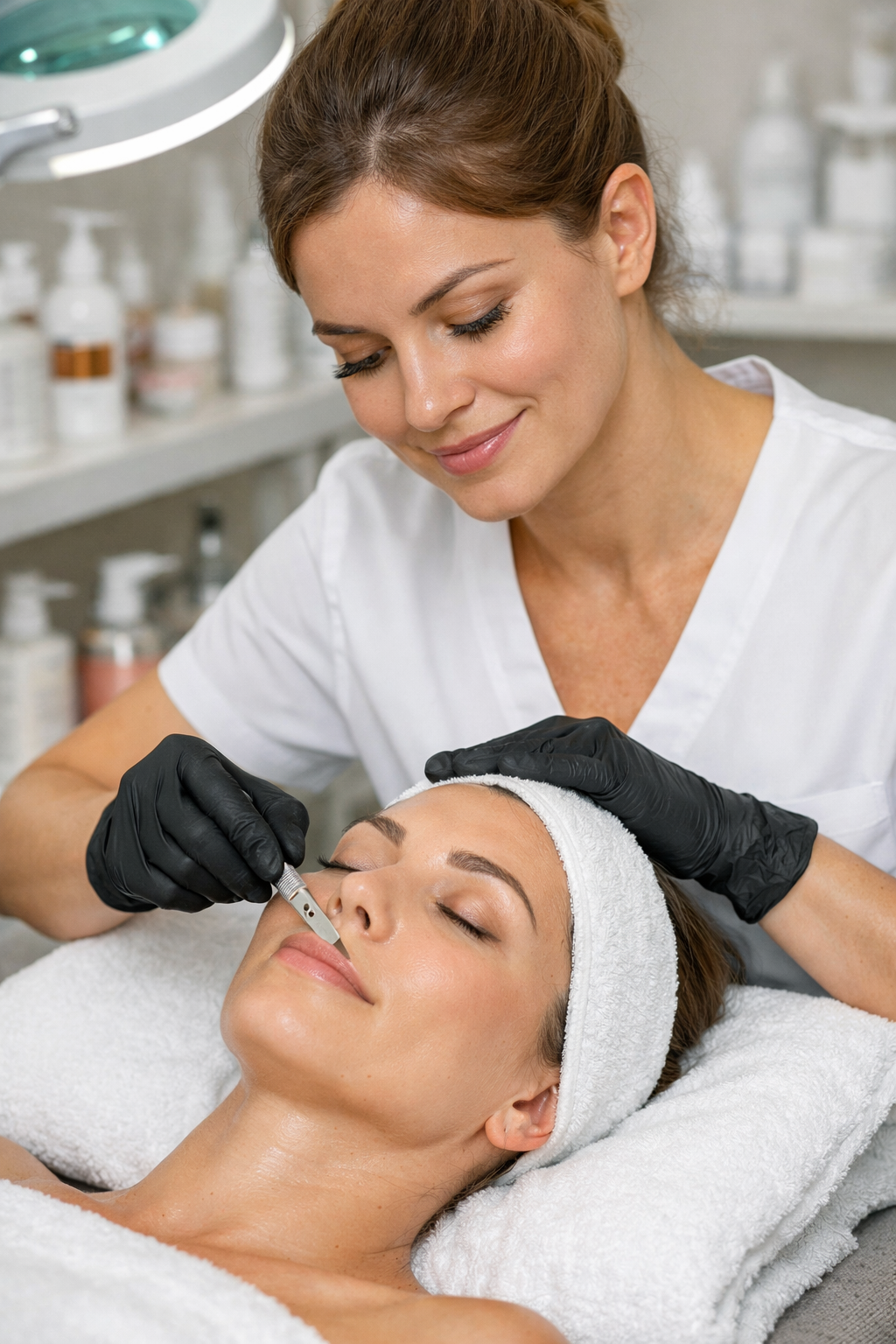
Is Dermaplaning Good For My Skin?
Is Dermaplaning Good For My Skin?
Dermaplaning provides several benefits to users who want their skin to become more even and their products to penetrate better but they need to consider all the potential drawbacks. The device removes peach fuzz and dead skin which results in better makeup application and serum penetration for people who do not have active acne or sensitive rosacea-prone skin. Want to try it at home? Don’t. The use of OTC blades and attempting DIY procedures will result in skin injuries which include nicks and scars and potential infections so you should visit a qualified professional who has proper expertise.
Key Takeaways:
The dermaplaning treatment method produces instant skin smoothness and better product absorption but healthcare providers need to follow specific safety protocols when performing the procedure.
The treatment removes dead skin cells and peach fuzz which results in skin that appears more radiant while serums penetrate the skin better. Want a quick glow before an event? The treatment method produces quick results while keeping patients out of work for brief periods and patients enjoy their instant skin softness.
The product works well for people who have dry or dull skin or skin with light texture and it helps minimize the appearance of small wrinkles but it does not treat active acne or inflammatory skin issues.
The treatment should be avoided by patients who have active acne or rosacea or eczema or open sores or recent aggressive resurfacing treatments. You need to consult a professional before using retinoids or blood thinners because they will protect you from potential problems and determine when you should start your treatment.
The practice of DIY dermaplaning using affordable over-the-counter instruments poses dangerous risks because it leads to various complications including cuts and infections which result in permanent scarring and pigmentation problems.
Home users need to understand that their tools lack sterilization so they must follow proper technique because excessive exfoliation will damage their skin barrier which results in additional skin issues and increased sensitivity. The best and safest results will come from visiting a licensed esthetician or dermatologist but home users should exercise extreme caution when using this treatment.
What the Heck is Dermaplaning Anyway?
How it works and why it matters to you
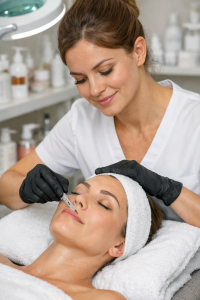
The treatment of dermaplaning removes dead skin cells and vellus hair through a single-blade sterile scalpel which creates a smooth skin surface and better makeup application. The duration of most sessions ranges between 15 to 30 minutes while clinic prices amount to $50-$150 for each treatment which needs to be performed every 4-6 weeks based on your hair and cell regeneration rate. The treatment produces immediate skin radiance while your skin becomes more receptive to serums and your makeup applies smoothly like silk without causing any hair growth changes because the treated hair remains vellus in nature.
When to avoid it and the real dangers of DIY
The treatment method works for most people but patients with active pustular acne and rosacea and eczema and open wounds and recent chemical peel or strong retinoid treatment should avoid it until a medical professional gives approval. Using drugstore eyebrow razors and multi-blade disposables and cheap “dermaplaning” gadgets at home will increase your risk of getting cuts and developing infections and post-inflammatory hyperpigmentation and scarring because these tools lack sterilization and users who are not professionals will likely pull their skin too hard while exfoliating; you should visit a trained esthetician or dermatologist for this treatment instead of trying it at home.
My Take on Professional Dermaplaning Treatments: Are the Results Worth It?
Why pros often deliver better results
My friend visited the salon for her first professional dermaplaning treatment before she sent me three messages throughout that evening because her foundation applied like a smooth fabric and a small sunspot became less noticeable during the following week. A trained technician achieves glass-like skin smoothness through the use of a single-use sterile blade which they apply at a 30-45 degree angle to eliminate dead skin and vellus hair without causing skin damage. The technique enables better serum penetration and creates a flat surface for makeup application. The cost of sessions ranges between $70 and $150 based on your location and most practitioners advise clients to schedule follow-up treatments every three to six weeks which typically occurs at four-week intervals. The treatment process does not cause significant downtime because most patients experience only light redness which lasts between one and two days. The treatment will lead to better skin texture and better product absorption during the first few days of treatment.
When DIY dermaplaning is a bad idea
You should stop considering self-facial razor use with over-the-counter products because it creates actual dangers. The combination of non-sterile low-quality tools with incorrect tool angles and excessive pressure while working on active acne areas leads to microtears which result in infections and extended skin redness and post-inflammatory hyperpigmentation (PIH) that affects people with darker skin tones. The screening process at professionals’ offices includes checks for conditions which would prevent treatment from being effective. The following conditions prevent you from receiving immediate treatment because they make you unsuitable for treatment: active breakouts and recent chemical peels and strong retinoid use and blood-thinning medications. The attempt to perform DIY treatments results in patients developing linear scabs and skin inflammation which requires prolonged healing time. People who have sensitive skin or acne problems or darker skin according to Fitzpatrick need to consult professionals because experts know how to stop these typical errors from happening.
When Should You Not Be Dermaplaning? (Seriously, Don’t!)
The following groups should avoid this because they will face risks when performing DIY work.
People commonly believe dermaplaning provides instant results for everyone who performs it with a drugstore razor but this belief is incorrect. Active inflammatory acne patients with pustules or deep cysts should avoid dermaplaning because the procedure allows bacterial spread which leads to worsened inflammation and higher risks of skin scarring. The procedure also applies to patients with open wounds and those who have active skin infections or cold sores. The use of oral isotretinoin during the previous six months together with recent aggressive chemical peel or ablative laser treatment makes you ineligible for treatment because your skin barrier and healing ability remain damaged. The small cuts from your daily activities will cause bleeding and bruising when you take blood thinner medications which include warfarin and aspirin and DOAC. The potential dangers of these injuries make them completely unnecessary.
People who attempt this procedure by themselves at home using store-bought equipment will face the most dangerous situations. The use of retail disposable blades and hobby dermaplaning devices fails to deliver the exact blade position and force management and infection prevention methods which trained professionals provide thus leading to increased chances of skin nicks and bacterial infections and dark skin hyperpigmentation. Want an example?The practice of estheticians deals with patients who have used low-cost home devices which led to skin redness and scabbing that required antibiotic or steroid treatment for several weeks to heal. You should not perform dermaplaning when your skin displays active symptoms of infection or irritation. You need to seek advice from a licensed professional before beginning any work because it becomes more affordable to correct errors which occur during DIY projects.
Why Leaving Dermaplaning to the Pros is So Much Safer
Hands-on risks and professional safeguards
Professionals provide better protection against harm than any homemade blade that someone attempts to create. The professionals perform exfoliation using single surgical-grade blades which they maintain at a 45-degree angle while following sterile procedures and trained pressure application to achieve smooth skin without micro-tears. The professional will check your skin for inflammation and active lesions before starting a 15-30 minute treatment session. Using a drugstore eyebrow razor or an “at-home dermaplaning tool” for this procedure will increase your chances of getting cut while also leading to folliculitis and post-inflammatory hyperpigmentation. The clinic treats numerous patients who developed brown spots and small scars because of their unsuccessful DIY attempts.
The screening process at Pros identifies conditions which patients might not recognize themselves – active cystic acne and rosacea and eczema and recent isotretinoin treatment require patients to avoid dermaplaning according to most medical guidelines. The screening process at Pros includes warnings about photosensitizing medications which require patients to wait before undergoing treatment. The treatment includes complete post-care instructions which include calming serums and mineral SPF and specific guidelines to extend sun protection for 48-72 hours. Home treatment tools usually come without proper sterilization and you will receive no follow-up care which makes it risky to save money by using them. A professional should perform your skin treatment because they offer better results.
Aftercare: What’s the Best Way to Treat Your Skin Post-Dermaplaning?
Immediate post-treatment care
Some individuals want to try DIY projects because TikTok tutorials and at-home kits have gained rising popularity. Your skin becomes more sensitive to products during the first 24 to 48 hours after dermaplanning so you should handle it as if it were a wounded skin area. You should use a sulfate-free cleanser to clean your skin before patting it dry and then apply a serum containing 1-2% hyaluronic acid and a non-comedogenic moisturizer. You should stay away from exfoliants and vitamin C and retinoids for 48 to 72 hours. Sunscreen must be used at all times because you need broad-spectrum SPF 30 or higher protection which should be reapplied every two hours when spending time outdoors.
Handling complications and avoiding at-home pitfalls
Home treatment requires you to check for any signs that your condition is worsening including redness spread and pain growth and pus formation and uncontrolled bleeding. The use of non-sterile over-the-counter blades together with DIY kits results in insufficient sharpness which leads to skin tears that increase the chances of infection. The use of single-use sterile scalpels by trained professionals during clinic visits prevents microtears from occurring which reduces the risk of infection. A single clinic visit will help you avoid weeks of skin irritation. Stop all active products for 72 hours while using lukewarm water and plain cleanser to clean the area before scheduling a doctor visit for bleeding that does not stop within 24 hours or when symptoms become more severe.
You need to get medical help right away when you experience fever or when the redness grows or when your swelling becomes severe.
Common Myths About Dermaplaning: What You Need to Know
Myth: Dermaplaning Makes Hair Grow Back Thicker
Think dermaplaning will make your peach fuzz come back thicker and darker?No – that’s a myth that won’t hold up to a little biology: dermaplaning removes vellus hair and dead skin at the surface, it doesn’t affect the hair follicle beneath the skin or change the hair’s growth pattern. The treatment area produces smooth results which last for three to four weeks during a standard professional session that lasts between 20 to 30 minutes with a sterile blade positioned at 45 degrees. It doesn’t make hair thicker.
Myth: You Can Safely Do Dermaplaning at Home with OTC Tools
A low-cost eyebrow razor or consumer tool seems like an affordable solution to save money while producing equivalent results?Think again – over-the-counter tools are often blunt, non-sterile and not designed for facial dermaplaning, which increases the risk of microtears, infection, post-inflammatory hyperpigmentation and acne flares. Estheticians perform exfoliation procedures by using disposable sterile blades and they receive training to prevent skin injuries and achieve proper exfoliation results. The cost of professional exfoliation treatments ranges between $50 and $150 per session but users of DIY kits face dangerous conditions at prices below $10. If you have active acne, rosacea, very sensitive skin or a history of keloids, you’re much better off skipping the DIY route and seeing a pro.
Conclusion
The process of dermaplaning provides you with an immediate smooth appearance which matches your desired glow while improving your serum and makeup application but it works differently for each person. The treatment provides excellent results for people who have dry skin and flaky skin and fine vellus hair and want to achieve smooth skin without using chemicals. The treatment works well for most people but it should be avoided by patients who have active acne or rosacea or eczema or open wounds or who have received isotretinoin treatment in the past. You can get great results when a trained pro does it with sterile, professional tools, and yes, you’ll need to commit to sun protection after because your skin will be more sensitive.
Home users need to exercise caution when they attempt to perform this procedure using tools which they can purchase without a prescription. Home use of inexpensive blades during this procedure will lead to cuts and infection and scarring and it will produce uneven results. You should consult a licensed esthetician or dermatologist before dermaplaning treatment because you need to share your skin history and protect your skin from DIY attempts when you have active breakouts or compromised skin.
FAQs about dermaplaning skin
Q: Is dermaplaning good for my skin type?
A: The skin treatment dermaplaning produces positive results for numerous people who want to achieve their goal of obtaining a radiant inner glow. The treatment works for most people but it does not provide universal benefits to all users. The product works as a skin savior for people who have dry dull textured skin because it creates an ideal surface for makeup to glide on and for products to penetrate deeper into the skin. The treatment process eliminates dead skin cells and vellus hair (peach fuzz) which results in skin that appears brighter while feeling like velvet to the touch. The treatment provides instant results which I can personally confirm.
The treatment does not suit people who have active inflammatory acne together with open skin lesions and severe rosacea and eczema and sunburn that occurred recently because it will intensify their skin irritation. Darker skin tones can have a higher risk of post-inflammatory hyperpigmentation if the procedure is done too aggressively. You need to consult a professional when your skin condition becomes difficult to manage or when you have previously developed skin scars.
Don’t do it if your face is actively breaking out or raw.
A licensed aesthetician will conduct a short assessment to establish whether dermaplaning treatment will help your anti-aging results or harm your individual skin condition.
Q: Will dermaplaning cause my hair to return with increased thickness?
A: The belief that hair grows thicker after shaving is an outdated myth. Not true. The treatment dermaplaning removes hair from the skin surface but it does not affect hair follicles or their natural growth patterns. The treatment does not affect hair growth speed or thickness because it operates at the skin surface. The hair tips will become blunt which creates a stubbly sensation that resembles a shaved leg so the initial texture will be rougher. People experience the feeling of having thicker hair through their senses even though their hair density remains unchanged.
The process of removing peach fuzz brings an additional benefit because it creates a better surface for makeup application and skin care penetration which results in an immediate improvement of your facial appearance. So no, it won’t bulk up your hair, it just gives you a cleaner surface for a few weeks.
Q: Can I safely dermaplane at home or should I see a professional?
A: You can make it yourself but the surprising fact is that simple-looking inexpensive solutions will increase your chances of getting cut or developing microtears which can lead to infection and permanent pigment damage. The use of inexpensive blades together with home devices prevents professionals from achieving their typical angle precision and maintaining proper sterility which leads to the development of problems.
The process of DIY skin bleaching creates various risks which include cuts and broken skin and infection and scarring and permanent dark spots that are unpleasant to deal with. Medical professionals perform treatments with specialized equipment which they operate at correct positions and forces while conducting skin checks for any conditions that would prevent treatment and they execute safe procedures for difficult-to-reach body areas. Post-care matters too: sunscreen, gentle products, and skipping active exfoliants for a few days.
DIY activities result in cuts which can develop into infections that produce permanent scarring.
You can attempt this procedure at home by following these steps: Use a sterile single-blade dermaplaning tool to work on dry skin that has no makeup and receives proper lighting while using short gentle strokes that avoid all inflamed acne areas and then apply SPF protection. But if you have skin concerns or multiple skin problems you should visit a professional dermatologist because it will provide you with the best results.
Contact us with specific questions or concerns about dermaplaning for you skin.