


Oncology Treatments & Skin Health Guide for Frederick, MD
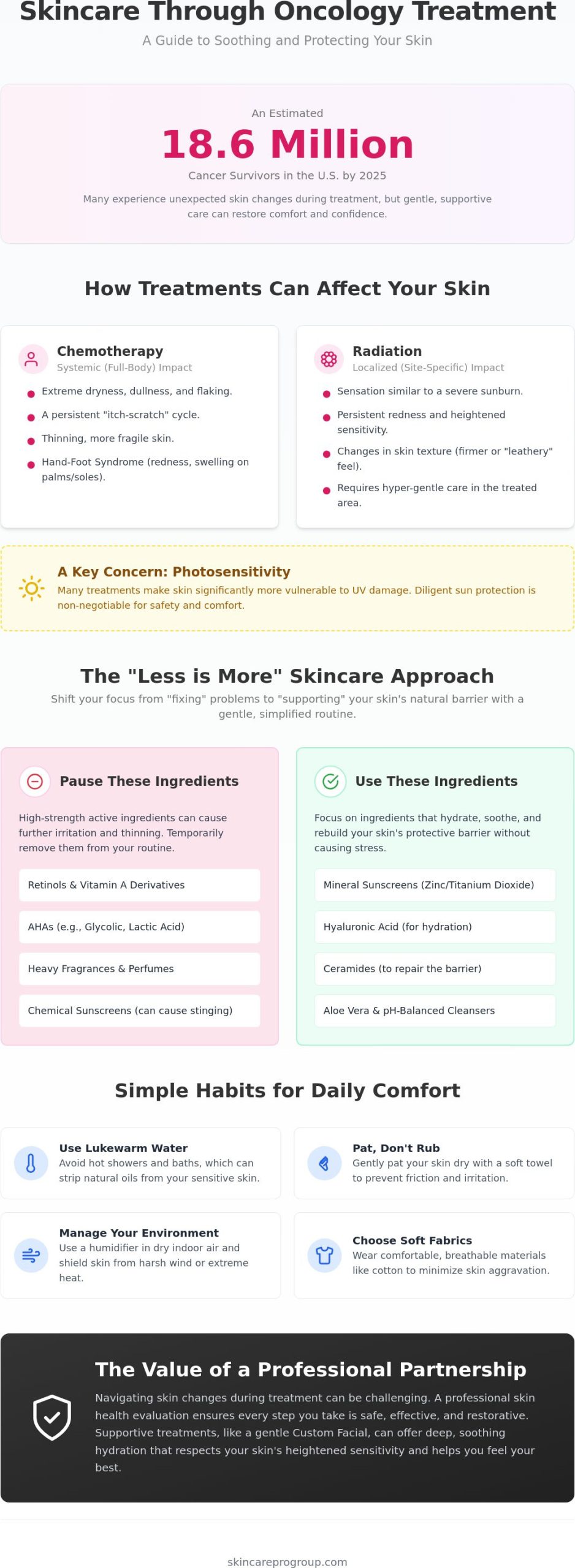
Did you know that as of early 2025, there are an estimated 18.6 million cancer survivors in the United States? While the primary focus is always on the recovery process, many people find themselves caught off guard by Oncology Treatments and Potential Impact on Your Skin. It’s common to feel a loss of confidence when your complexion suddenly becomes extremely dry, itchy, or sensitive to products you’ve used for years. These changes can feel like an unwanted reminder of a difficult journey, but you don’t have to manage them alone.
We agree that maintaining your skin health shouldn’t be another source of stress. You deserve to feel comfortable and radiant, even during treatment. This guide promises to help you discover gentle, professional ways to soothe your skin and rebuild its natural barrier. We’ll preview a supportive approach to skincare that prioritizes intense hydration and safety. You’ll also learn about the latest protective advancements, such as the FDA’s 2026 approval of bemotrizinol, and how a professional partner can help you create a routine that feels both safe and effective.
Key Takeaways
- Identify the common symptoms of “Chemo Skin,” such as extreme dryness and flaking, to help you manage your daily comfort levels more effectively.
- Gain professional insight into Oncology Treatments and Potential Impact on Your Skin so you can better anticipate and address radiation-induced sensitivity.
- Master the “Less is More” philosophy by learning which high-strength ingredients, like retinols and heavy fragrances, to temporarily remove from your routine.
- Explore how supportive services like a Custom Facial offer gentle, deep hydration that respects your skin’s heightened sensitivity during treatment.
- Understand the value of a professional skin health evaluation to ensure every step of your skincare journey is both safe and restorative.
Common Ways Oncology Treatments Impact Your Skin
Understanding how Oncology Treatments and Potential Impact on Your Skin manifest is the first step toward reclaiming your comfort. Your skin barrier acts as a vital shield, but cancer therapies often compromise this defense. This leads to a set of symptoms often called “Chemo Skin,” which is characterized by extreme dryness, flaking, and a noticeably duller complexion. It’s not just a change in appearance; it’s a fundamental shift in how your skin functions and protects itself.
Radiation therapy introduces its own set of localized challenges. Many patients describe sensations similar to a severe sunburn, accompanied by persistent redness and heightened sensitivity in the treated area. Additionally, many treatments cause photosensitivity. This makes your skin significantly more vulnerable to UV damage even during brief periods of sun exposure. Protecting this compromised barrier becomes a top priority for maintaining daily comfort.
The Role of Chemotherapy in Skin Health
Chemotherapy is a systemic treatment that affects your entire body. Because these drugs target rapidly dividing cells, they often slow down the natural renewal process of your skin. This leads to thinning and a frustrating “itch-scratch” cycle that’s hard to break. In some cases, patients may experience Hand-Foot Syndrome (acral erythema), which causes redness, swelling, and pain on the palms and soles. These systemic changes require a supportive, rather than corrective, approach to care.
Radiation and Targeted Sensitivities
Unlike chemotherapy, radiation is site-specific. The skin in the direct path of the treatment beam requires hyper-gentle care to avoid further irritation. Over time, radiation can impact skin texture and elasticity, sometimes leading to a firmer or “leathery” feel. It’s vital to treat these targeted areas with specialized attention. Focus on products that provide deep hydration without adding unnecessary stress to the already taxed tissue.
Navigating Your Skincare Routine During Treatment
When you’re managing the Oncology Treatments and Potential Impact on Your Skin, your daily routine needs to shift from “fixing” to “supporting.” We recommend a “Less is More” approach. This means stripping back to the absolute essentials to avoid overwhelming your already sensitive skin. High-strength active ingredients like retinols and AHAs, which are excellent for anti-aging under normal circumstances, are now off-limits. They can cause further thinning and irritation. Heavy fragrances should also be avoided, as they often trigger reactions in compromised skin.
Sun protection is a non-negotiable step, but the type of product matters. Chemical sunscreens work by absorbing into the skin, which can cause stinging. Instead, choose physical (mineral) sunscreens containing zinc oxide or titanium dioxide. These sit on top of the skin to reflect UV rays. You also need to understand the difference between hydration and moisture. Hydration involves water-binding ingredients, while moisture uses oil-sealing ingredients to lock that hydration in. You need both to combat the common skin and nail changes associated with treatment.
Safe Ingredients for Compromised Skin
Focus on ingredients that rebuild your defenses. Hyaluronic acid, ceramides, and aloe vera are excellent choices for soothing and protecting. Using a pH-balanced cleanser is also vital to ensure you don’t strip away natural oils. Barrier repair is the primary goal of your 2026 routine. If you’re unsure which products are safe for your specific needs, reaching out for a professional opinion can provide much-needed peace of mind.
Daily Habits for Comfort
Your lifestyle habits also play a role in how your skin feels. When bathing, use lukewarm water instead of hot, and always pat your skin dry with a soft towel rather than rubbing it. Environmental triggers like harsh wind, extreme heat, or dry indoor air can worsen itching. Using a humidifier and wearing soft, breathable fabrics can help manage these external stressors and keep you comfortable throughout the day.
Beyond external comfort, many women also find it beneficial to support their internal health, especially when treatments impact hormonal balance. To find high-quality supplements designed for these specific wellness needs, visit Artemis Curated and browse their specialized collection for women.
Supportive Aesthetic Care in Frederick: How Professional Treatments Help
Finding a space where you feel understood is a critical part of your recovery. At Skin Care Pro Group in Frederick, we view aesthetic care as a strategic partnership in your healing journey. Jennifer begins every session by evaluating the current state of your skin health, ensuring that any approach aligns with your specific needs. This professional oversight is essential when managing Oncology Treatments and Potential Impact on Your Skin, as it prevents the use of aggressive techniques that might cause further distress.
We aim to create a “Frederick Sanctuary” where you can truly relax. This quiet time helps manage the emotional stress often tied to Oncology Treatments and Potential Impact on Your Skin. Professional Red Light Therapy offers a non-invasive way to support your skin’s natural rejuvenation process. It provides gentle cellular support without the heat or friction that often irritates compromised tissue. This isn’t just a luxury; it’s a way to lower stress levels so your body can focus on healing.
Customized Care for Your Unique Journey
A Custom Facial is often the safest path for those undergoing treatment. We intentionally adjust our standard protocols to prioritize safety and barrier protection. This means you won’t experience steam, extractions, or heavy friction during your visit. Instead, we focus on cooling, hydrating, and nourishing the skin. This tailored approach ensures you receive the benefits of professional care without the risks associated with more intense procedures.
Planning Your Visit in Frederick
Open communication with your esthetician is the foundation of a successful visit. Always share your current medical status and any recent changes in how your skin feels. It’s also vital to consult with your medical team before starting a healthy skincare regimen during cancer treatment. For more context on professional skincare in our area, you might find our Guide to Facials in Frederick helpful. By working together with your doctors, we can ensure your skincare journey is both safe and restorative.
Reclaiming Your Radiance and Comfort
Your journey through cancer treatment is deeply personal; your skincare strategy should reflect that same level of individual care. We’ve explored how Oncology Treatments and Potential Impact on Your Skin require a shift from aggressive correction to supportive barrier protection. By adopting a “less is more” philosophy and prioritizing hydration, you can manage the common dryness and sensitivity that often accompany these therapies. Professional guidance ensures you don’t have to guess which products are safe for your changing needs, and for those seeking a more comprehensive approach to internal wellness, westridgeholistic.com offers naturopathic primary care focused on root-cause healing.
At Skin Care Pro Group, we provide a private and supportive studio environment right here in Frederick, MD. Our lead esthetician, Jennifer (Jen), offers expert guidance to help you navigate these complexion changes with confidence. We utilize specialized Red Light Therapy to provide gentle cellular support; this ensures even the most sensitive skin feels soothed and restored. You deserve a sanctuary where your health and comfort are the top priority. When you’re ready to prioritize your skin’s well-being, Schedule a Consultation for a Gentle Custom Facial in Frederick. We’re here to walk beside you, providing the professional care and encouragement you need to feel like yourself again.
Frequently Asked Questions
Is it safe to get a facial while undergoing chemotherapy?
Yes, it’s generally safe to receive a facial during chemotherapy as long as the treatment is modified to be supportive rather than corrective. You must obtain a physician’s release before booking your session to ensure your medical team approves. At our Frederick studio, we perform a thorough evaluation to ensure the session avoids steam or extractions. This careful approach helps manage Oncology Treatments and Potential Impact on Your Skin without causing additional stress to your system.
What skincare ingredients should I strictly avoid during oncology treatment?
You should strictly avoid aggressive active ingredients like retinols, high-strength AHAs, and salicylic acid. These can cause painful stinging or even skin peeling on already thinned tissue. It’s also vital to skip synthetic fragrances and chemical sunscreens, which often trigger allergic reactions during treatment. Stick to simple, pH-balanced cleansers and mineral-based sun protection to keep your barrier intact. Always check labels for hidden irritants that might disrupt your skin’s recovery.
How can I manage the extreme dryness caused by radiation?
Managing radiation-induced dryness requires a two-step approach involving both hydration and moisture. Start by applying a thick, fragrance-free cream immediately after bathing while your skin is still slightly damp. This locks in water and prevents it from evaporating. Avoid hot showers, which strip away natural oils; instead, use lukewarm water and gently pat the area dry with a soft towel. Consistency is key to preventing the leathery texture often associated with localized radiation.
Can professional light therapy help with skin sensitivity?
Yes, professional Red Light Therapy is an excellent, non-invasive option for soothing heightened skin sensitivity. This technology provides gentle support at a cellular level without using heat or physical friction. It’s particularly helpful for those dealing with the systemic Oncology Treatments and Potential Impact on Your Skin because it promotes a calmer, more resilient complexion. Many clients find the process deeply relaxing, which helps lower the physical stress that can hinder your skin’s natural repair mechanisms.